Rachel Abrams Takes the Mic on Social Media’s Legal Reckoning
The NYT reporter’s deep‑dive into TikTok and Meta lawsuits shows how journalism can steer the tech‑policy debate.
Rachel Abrams is a senior reporter for The New York Times, known for her tech‑law coverage and as a host of The Daily.
From Byline to Front‑Line
When Rachel Abrams opened the Jan. 29, 2026 episode of The Daily, she didn’t just announce a story—she set the stage for a national showdown. “For years, social‑media companies have relied on an impenetrable First Amendment protection… now a new cluster of plaintiffs are trying a different tact,” she said, framing the upcoming trial as an existential threat to the industry. In just a few sentences, Abrams turned a complex legal battle into a narrative anyone could follow, underscoring her knack for translating courtroom jargon into public‑interest journalism.
A Reporter in the Midst of a Tech Tipping Point
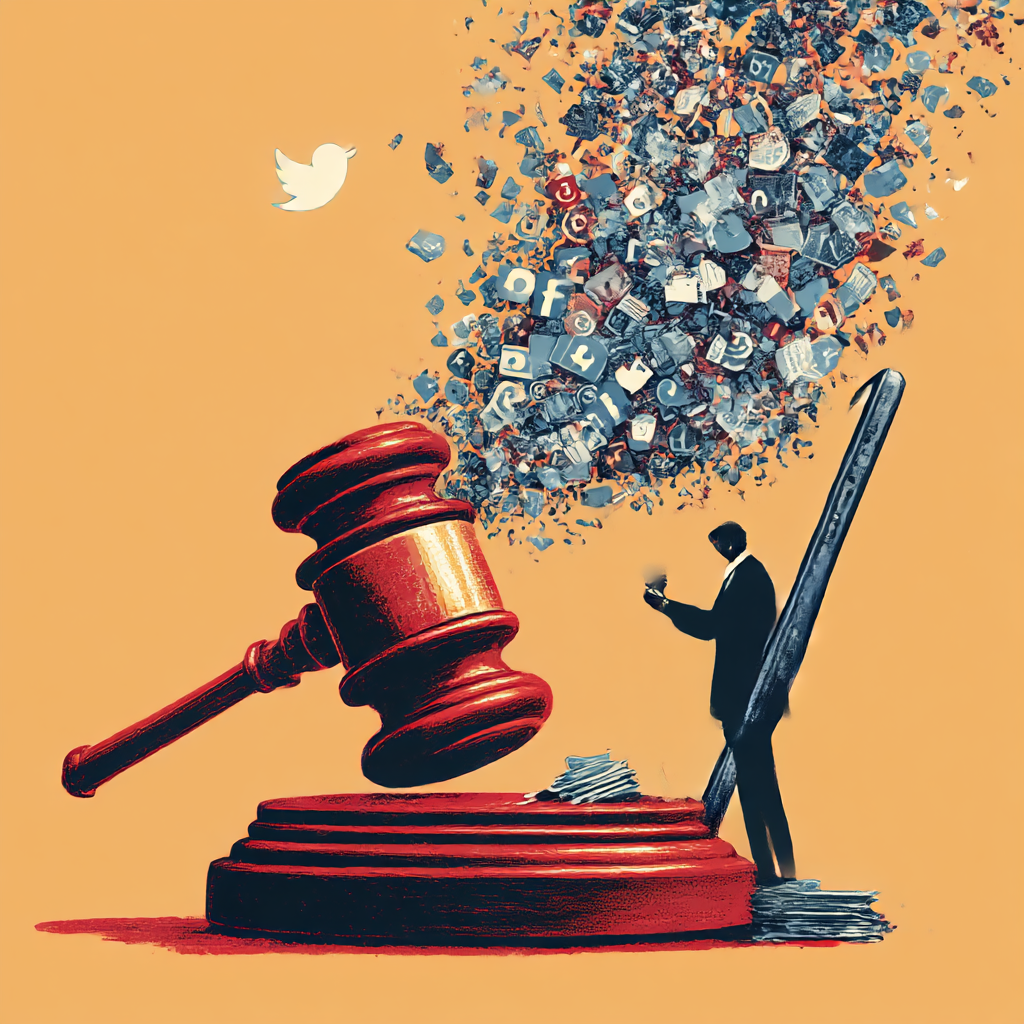
Abrams’ reporting lands at a moment when TikTok, Meta, and YouTube are facing unprecedented scrutiny. The lawsuits—spanning claims that platforms engineer addiction to allegations of privacy violations—have moved from abstract policy debates to courtroom drama that could put CEOs on the stand (source: NBC News). By spotlighting these cases on a flagship podcast, Abrams amplifies the stakes for a broader audience that might otherwise only see headlines about “social‑media addiction.”
Her coverage is not merely descriptive; it is catalytic. The Daily episode highlighted the coordinated investigations by several state attorney generals into TikTok’s impact on children, a thread that later culminated in TikTok’s settlement of its own addiction lawsuit (source: NY Times). By weaving together the legal maneuvers, corporate responses, and the human cost—parents worrying about their teens’ screen time—Abrams frames the lawsuits as a cultural inflection point rather than isolated corporate skirmishes.
The Human Behind the Mic
Abrams grew up in a world where the internet’s promise of connection was still nascent, a background that informs her curiosity about how platforms shape daily life. While the public record lists her bylines, the Daily episode reveals a quieter drive: a belief that informed citizens can hold powerful tech firms accountable. She asks the same probing questions that her listeners—parents, policymakers, and creators—are wrestling with: Who decides what is addictive? Who bears responsibility when a platform’s design hooks a teenager?
Why Her Work Matters Now
The legal battles Abrams chronicles could rewrite the rules of the digital economy. A successful plaintiff strategy might force platforms to redesign feeds, add safety features, or even face new liability standards. In that sense, Abrams is more than a chronicler; she is a conduit for a societal conversation about the balance between innovation and protection. Her ability to translate courtroom filings into relatable stories helps shape public opinion, which in turn pressures legislators and CEOs alike.
Looking Ahead
As the trials progress and settlements like TikTok’s become precedent, Abrams will likely continue to follow the ripple effects—whether it’s a shift in advertising models, a wave of new privacy tools, or a cultural pushback against endless scrolling. Her reporting reminds us that the fight over social media’s future is as much about narrative as it is about law, and that the journalists who tell those stories wield a subtle, yet powerful, influence.
The Bigger Picture
Rachel Abrams exemplifies a new breed of tech reporter: part investigator, part storyteller, part public‑interest advocate. In an era where platforms dominate attention, her work shows that the battle for the internet’s soul is being fought not just in courtrooms, but in living rooms, through podcasts, and across the daily news feed.