The Science of TikTok Fame
A cultural crash‑course on the gender gap, the lure of short‑form video, and what we lose when brilliance goes viral
Women are still under‑represented in STEM, yet a new wave of short‑form creators is pulling talent away from labs into dance challenges and viral memes, reshaping cultural capital.
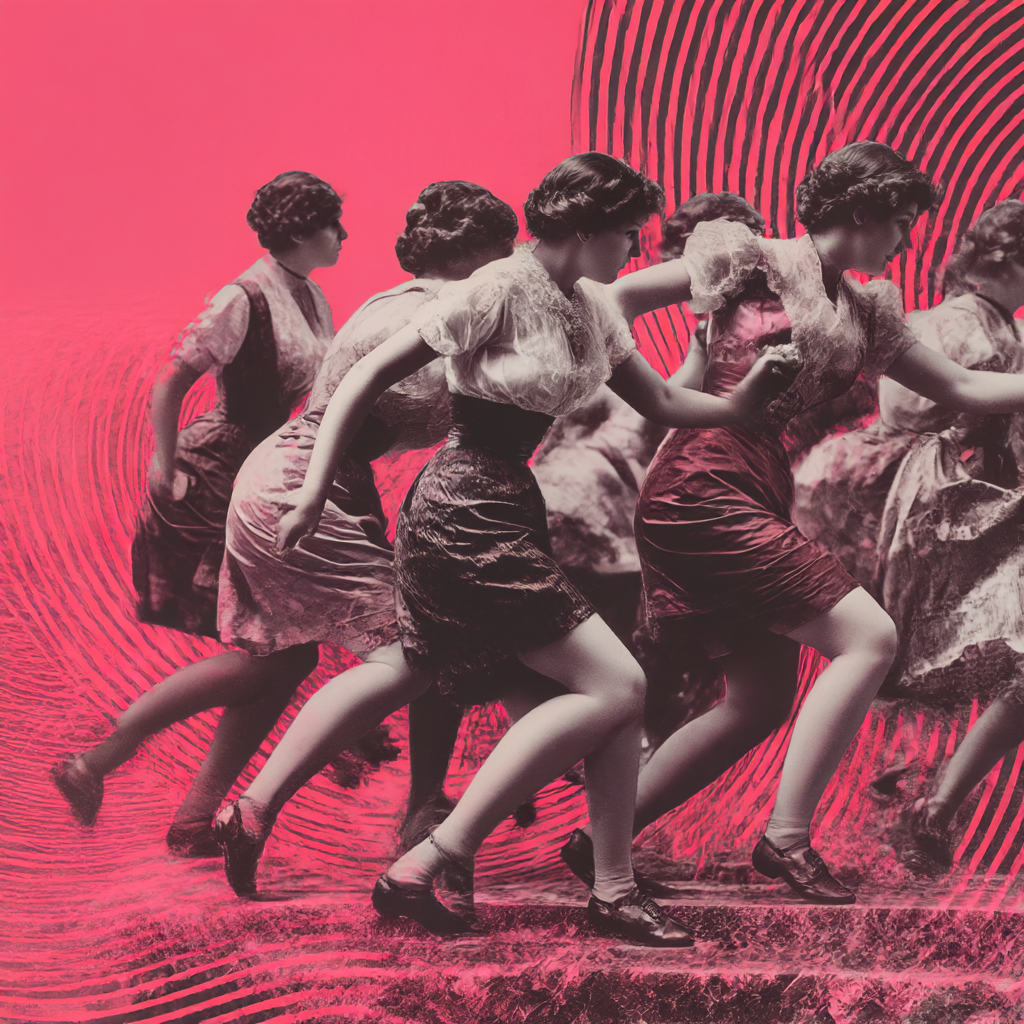
How Women Won Their Rights and Then Turned Them Into TikTok Stunts
For more than a century women have organised, marched, and lobbied for equal education, voting power, and professional opportunities. The 1915 UN declaration, the 2015 proclamation of International Day of Women ❤️ and Girls in Science 🧬, and countless grassroots campaigns have turned the idea of “women belong in the lab as much as men” from a radical slogan into a global policy goal.
Then, in a grand act of mass stupidity, the very next and even same generation that finally cracked the glass ceiling in academia, is now dominating a very different arena: mindless short‑form video platforms where a filtered girl - a daughter to someone - mimes along to a song they didn’t write.
The TikTok Siren Call
TikTok now boasts over 1 billion active users with the average user scrolling more than 52 minutes a day. Short‑form video commands the highest engagement rates across all platforms.
The financial incentives are staggering: the average TikTok creator earns $44,250 per year , while the top 100 earn $1–5 million each. Brands pour money into dance, comedy, and lip‑sync content because those formats convert viewers into shoppers faster than any traditional ad.
From Lab Coats to Twerk Queens
Women who once fought for the right to study chemistry are now among the most‑followed “twerk queens” on the platform. @TwerkQueenBree and @JazzyTwerks have amassed millions of views by pairing athletic dance moves with humuor. Their follower counts dwarf the readership of many peer‑reviewed journals, and brand deals for these creators often exceed entry‑level research stipends.
The “365 Buttons” challenge—posting a new short video every day—has become a meme‑driven status symbol for productivity, yet it rewards visibility over expertise. The algorithm’s love of rapid, eye‑catching movement nudges creators toward ever‑shorter, more sensational clips, reinforcing a feedback loop where performance eclipses proficiency.
The Hidden Costs of Going Viral
The same platform that turns a dance routine into a six‑figure contract also weaponises women’s bodies. In January 2026 the BBC reported that a 21‑year‑old London retail worker, Dilara, was filmed without consent via smart glasses; the clip amassed 1.3 million TikTok views and exposed her personal details. Similar cases in the UK, US, and Australia show a pattern of covert recording, exploitation, and online harassment.
Algorithmic bias amplifies these trends: recommendation engines prioritise visual spectacle over intellectual depth, pushing creators—especially women—toward content that can be monetized quickly but offers little societal value.
When Celebration Becomes Distraction
Every February 11 we celebrate International Day of Women and Girls in Science, reminding the world that gender equity is essential for solving climate change, health crises, and technological challenges. On the same day TikTok’s “365 Buttons” trend dominates the “For You” page, encouraging users to post daily dances or memes instead of discussing research breakthroughs.
No one forced this transition. It could be taken as evidence that for women, overall, social capital, even at the cost on humiliation, is more integral and important than intellect. Evolutionary biologists could enter here and have a field day.
You cant fight ‘The Man’. Nor do you need to.
The solution isn’t to demonise TikTok or force every woman back into a lab coat. Instead, platforms should elevate expertise alongside entertainment:
If we continue to let the algorithm decide what counts as cultural capital, we risk consigning half the population to a perpetual performance economy where dancing pays more than discovery.
The real question is whether we can rewrite the script so that the next viral trend isn’t a twerk but a breakthrough.