Bird on a Mushroom: Matthieu Blazy’s Chanel Couture Scores a Slam Dunk for Haute Couture
A whimsical set and a daring debut prove the French house can still rewrite its own mythos.
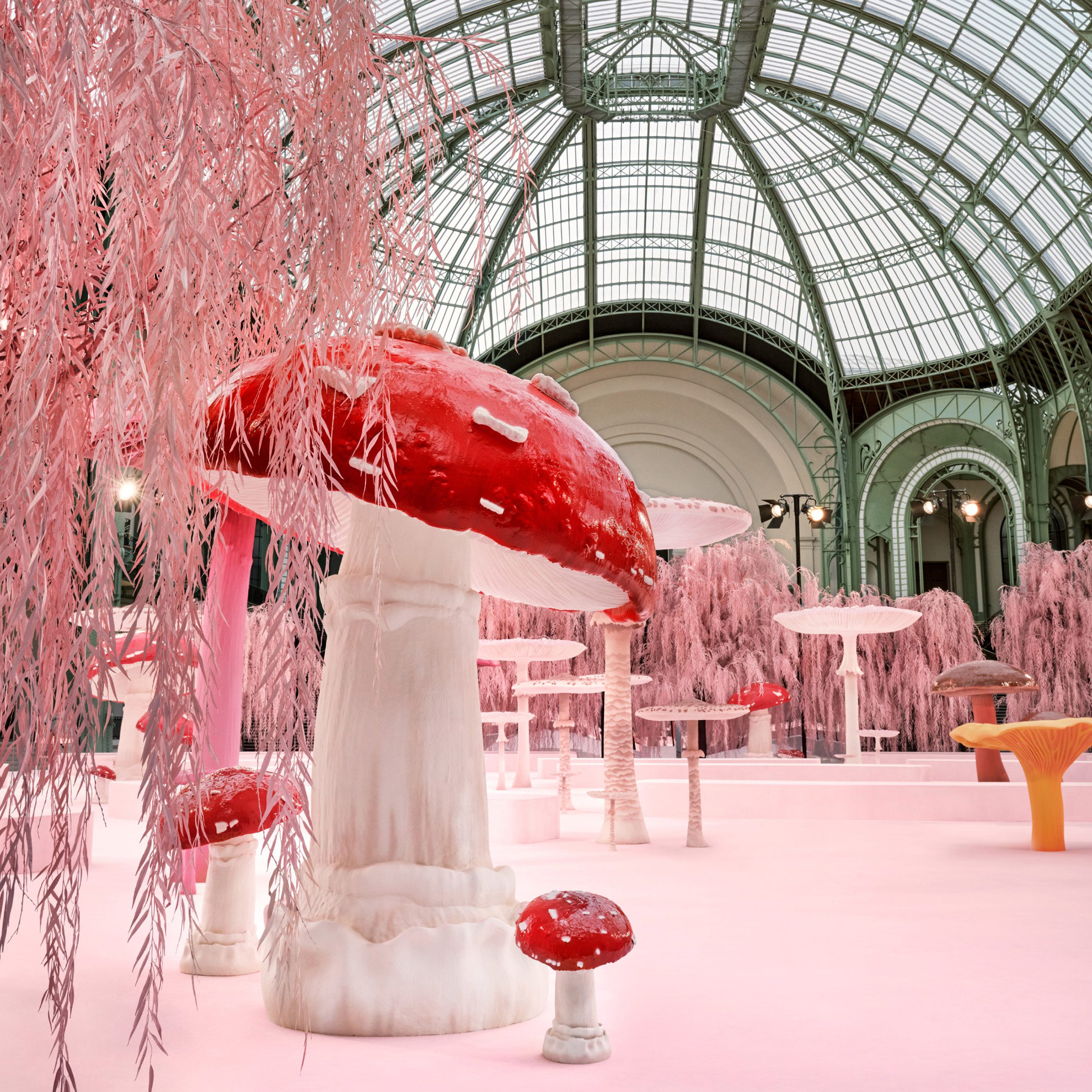
Matthieu Blazy, the fourth creative director in Chanel’s 116‑year couture history, turned the Grand Palais into a pink mushroom forest, signaling a fresh narrative for the storied house. The show’s surreal staging and design choices reveal how luxury can stay relevant by courting fantasy.
A Fairy‑Tale Set, Not a Boardroom
When Chanel’s spring‑summer 2026 couture show opened, the audience didn’t see the usual austere runway. Instead, a towering pink mushroom rose from a carpet of spotted fungi, its cap cradling a lone bird that seemed to perch on the edge of imagination. Elle described the set as a “giant mushroom wonderland,” while AD Middle East called it a “pink willow‑tree forest” that felt more like a children’s storybook than a high‑fashion presentation. The effect was deliberate: Blazy wanted couture to feel like an escape, a brief suspension of the relentless pace of Parisian life.
Blazy’s Quiet Revolution
Blazy’s appointment is historic in itself—he is only the fourth designer to helm Chanel couture since the house opened its doors in 1910. W Magazine noted that the pressure on his shoulders was immense, given the legacy of Coco Chanel, Karl Lagerfeld and Virginie Viard. Yet Blazy sidestepped the expected homage to the iconic tweed suit and instead leaned into light, airy silhouettes that echoed the set’s ethereal mood. The collection featured organza gowns with hand‑embroidered butterflies, silk shirts that floated like moth wings, and a series of capes that draped over the mushroom’s curve as if they were part of the forest itself.
The Guardian praised the collection’s “fairy‑tale continuity,” pointing out that the bird motif—repeated on brooches and embroidered cuffs—served as a subtle reminder of freedom and the fleeting nature of couture itself. By placing a bird on a mushroom, Blazy invoked surrealist traditions championed by Salvador Dalí, while also nodding to contemporary eco‑consciousness. The set’s pink hue, far from being a mere aesthetic choice, echoed the rise of pastel palettes in luxury interiors, a trend that design‑focused outlets like DesignScene have linked to post‑pandemic optimism.
Why the Mushroom Matters
Beyond the visual spectacle, the mushroom set signals a shift in how couture houses engage with cultural narratives. In an era where Instagram feeds are saturated with hyper‑realistic CGI, Blazy opted for a tangible, tactile environment that invited guests to physically interact with the set. Models stepped onto the mushroom’s cap, and a few daring influencers—among them TikTok star @fashion_fauna—posted videos of themselves “hanging out” with the bird, turning the runway into a social‑media moment without sacrificing artistic integrity.
The choice also reflects a broader industry pivot toward nature‑inspired storytelling. As luxury consumers become more environmentally aware, designers are weaving botanical motifs into collections to signal alignment with sustainability values. While Chanel has yet to announce a concrete eco‑initiative tied to this show, the visual language of fungi and birds positions the house within that conversation.
In short, Blazy’s debut proves that haute couture can still surprise. By marrying a fantastical set with a collection that feels both nostalgic and forward‑looking, he reminded the fashion world that the most powerful runway moments are those that feel like a slam dunk—unexpected, exhilarating, and impossible to forget.